

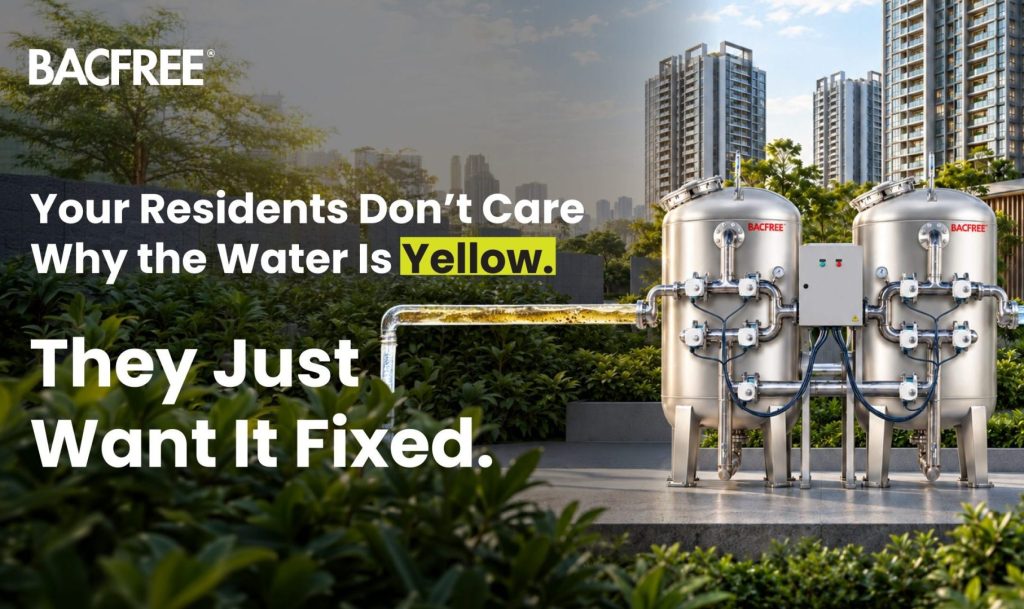
A yellow-water complaint may begin with one resident, but it rarely stays that way.
When residents notice water that appears yellow, cloudy or has an unpleasant smell, the concern is immediate. They may not know whether the issue comes from the incoming water supply, storage tanks, ageing piping or another part of the building’s water system. What they do know is that the water in their home does not meet their expectations.
For property management teams, this can lead to repeated calls, follow-ups with service providers and pressure to provide answers quickly. Over time, unresolved water-quality concerns can affect resident confidence and shape how people perceive the development.
This is why a centralised water filtration system for residential buildings should be viewed as more than a maintenance upgrade. It is part of the building infrastructure that supports daily living, operational confidence and long-term property reputation.
Why water-quality complaints become a management issue
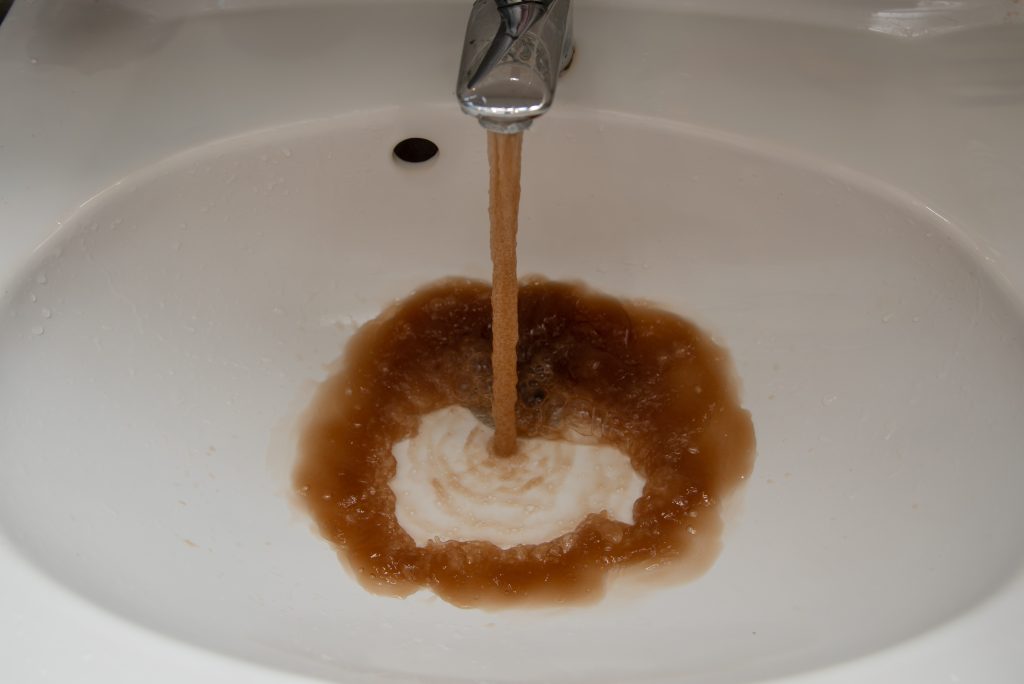
Water is used across every part of residential living: bathing, cooking, laundry, cleaning and general household use. When its appearance or smell changes, residents experience the issue directly at their taps.
Even when a management team responds promptly, recurring complaints can create a difficult cycle:
- Residents expect immediate answers and visible improvement.
- Management teams need to coordinate investigations, notices and corrective action.
- Service teams may need to address the same concern repeatedly.
- The property may develop a reputation for poor water quality among residents, visitors and prospective purchasers or tenants.
For a high-rise condominium or managed landed residential community, this is not simply a technical issue. It is a resident-experience issue.
A centralised approach helps management teams address water quality before water is distributed to individual units, rather than leaving residents to find their own point-of-use solution for a building-wide concern.
What is a centralised water filtration system for residential buildings?
A centralised water filtration system treats incoming water at a shared point before it flows through the property’s internal distribution network.
Unlike an individual household filter, the system is designed to support water quality across the building or residential development. This makes it especially relevant for condominiums, apartments, serviced residences and premium landed communities with shared management responsibilities.
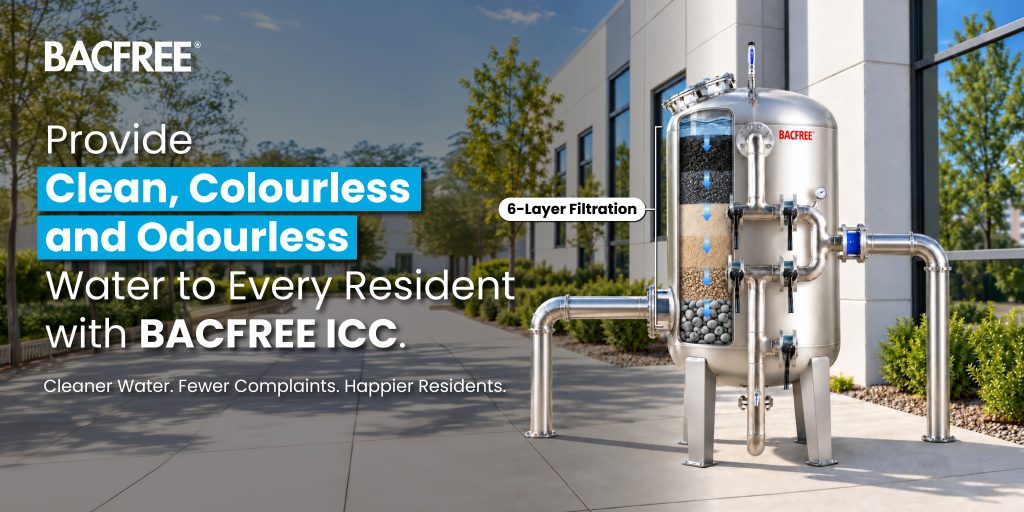
BACFREE ICC Centralised Filtration uses a six-layer filtration design, including filtration media such as fine quartz sand, anthracite and activated carbon. The system is designed to support cleaner, colourless and odourless water distribution throughout the property.
The right system design should take into account the building’s water source, usage profile, available space and water-quality concerns. That assessment is important because every property has different operational conditions.
The value of treating water at the source
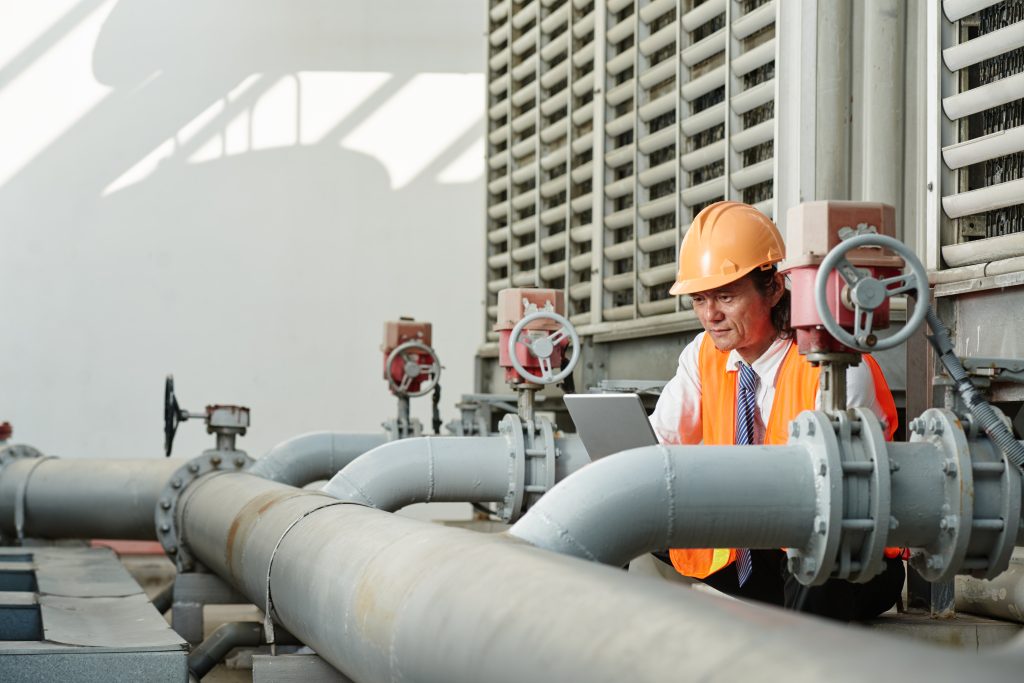
When management teams only respond after complaints arise, the focus is often on the affected unit or floor. However, if the issue is linked to incoming water quality or central distribution, a building-wide solution may be more appropriate.
Treating water at the source can help management teams work towards:
- More consistent water quality across the property: A centralised filtration system supports a more consistent approach to water treatment before distribution. This is particularly valuable in developments where many residents share the same incoming water supply and internal infrastructure.
- Fewer recurring resident concerns: No water solution should be positioned as a substitute for proper investigation and maintenance. However, improving water treatment at the incoming point can help reduce the likelihood of repeat concerns related to visible colour, sediment or odour.
- A clearer operational response: When water concerns arise, management teams need a practical explanation and a clear plan of action. A centralised system provides a visible infrastructure measure that demonstrates a commitment to better water management.
- Water quality and property reputation are closely connected: Residents may not know the cause of yellow water. But they will remember the building that delivered it.
For management teams, this affects more than daily service operations. Water-quality concerns can influence resident satisfaction, online discussions, word of mouth and confidence in the development’s management standards.
This is especially important for premium residences, where the everyday experience is part of the value residents expect. A well-managed property is not defined only by its façade, facilities or security. It is also defined by the reliability of the essential services residents use every day.
BACFREE ICC solutions have been implemented across residential developments including Armanee Condominium in Damansara, Arcoris Condominium in Mont Kiara, The Treez in Bukit Jalil, The Fennel in Sentul and The Glades in Putra Heights. These references reflect the relevance of centralised filtration for both high-rise residences and premium landed communities.
What property management teams should consider
Before investing in a centralised water filtration system for residential buildings, management teams should review the issue from both a technical and operational perspective.
Key areas to consider include:
- The nature and frequency of resident water-quality complaints
- Water appearance, odour or sediment concerns observed on site
- The condition of tanks, piping and existing treatment systems
- Building population, water demand and peak-use periods
- Available installation space and maintenance access
- The need for a long-term solution rather than repeated short-term responses
A site review can help identify whether a centralised filtration system is appropriate and how it should be designed for the property’s requirements.
For developers planning a new project, considering centralised filtration early can also help create a more complete water-management strategy before handover.
Frequently asked questions
Is a centralised filtration system only suitable for high-rise condominiums?
No. It can also be relevant for managed landed residential communities, especially premium developments with shared infrastructure and a management team responsible for resident experience.
Can centralised filtration help reduce water-quality complaints?
It can help address common concerns related to water colour, sediment and odour at the incoming water source. The final outcome depends on proper assessment, system design and the condition of the wider water infrastructure.
Will a centralised system replace tank cleaning and building maintenance?
No. Regular tank cleaning, piping checks and preventive maintenance remain important. Centralised filtration should form part of a wider water-management approach.
When should a management team consider an ICC solution?
It is worth considering when water-quality complaints become recurrent, when existing solutions are not providing consistent results, or when management wants to take a more proactive approach to protecting resident confidence.
A practical long-term approach to better water management
A recurring water complaint is never just a maintenance issue. It can become an operational burden and a reflection of how residents view the property they call home.
For condo, high-rise and managed landed residential teams, a centralised water filtration system provides an opportunity to address water quality at the source. BACFREE ICC Centralised Filtration is designed to support cleaner water distribution, fewer recurring concerns and stronger confidence in the property’s management.
Speak with BACFREE to assess whether an ICC Centralised Filtration solution is suitable for your residential development.