



RAINWATER HARVESTING SYSTEM
Smart, sustainable, compliant
commercial solutions

Turn Rain into Value with Efficient Rainwater Filtration
With 43 years of industry leadership, BACFREE delivers complete rainwater harvesting solutions built for Malaysia’s heavy rainfall. From efficient filtration to storage and reuse, our systems help you save water, meet compliance, and drive real ESG results.
💧 Ideal for residential, commercial, industrial, medical & educational buildings.
🌿 Built for sustainability. Designed for performance.
 WATCH VIDEO
BRANDS WE WORK WITH


How Our Rainwater Harvesting System Works

Why Rainwater Harvesting System

Save on water bills

Support ESG & Sustainability Goals

Reduce Urban Flooding
Combat climate change impacts

Serves as a back-up water source
Reduce Carbon Footprints
Reduce Water Costs with Commercial Rainwater Harvesting
 STOP WASTING
 GREEN BENEFITS
 WHY BACFREE
Rethink Water: Rain for Daily Use, Tap for Drinking
Using potable water for non-potable tasks is a hidden inefficiency —
rainwater harvesting offers a smarter, greener alternative:

Cooling tower

General cleaning

Refuse chamber cleaning

Production

Toilet flushing

Irrigation

Washing vehicles

Laundry washing
This isn’t just costly — it’s unsustainable.
Green Benefits
Every day, we use potable (drinking-quality) water for non-drinking tasks like:

Save thousands of litres of treated water

Lower utility bills

Comply with ESG goals

Support sustainability development goals
Why BACFREE Rainwater Harvesting System
43 years in industry
End to End Solution
Tailored for Malaysia
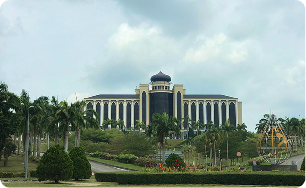
Recognized by local council
Variety of product range

Certified by MyHIJAU, DIN & Eco-labelling

Eligible for GITA
A peek into our HOOJAN Rainwater Harvesting System
HOOJAN, Bacfree’s Stainless Steel Rainwater Filter, is designed for Malaysia’s heavy rainfall. With a 360° strainer, it collects up to 95%. Available with 8” or 10” inlets, it installs easily, perfect for limited spaces. Ideal for various buildings, HOOJAN is the first Plug & Play filter, compatible with most piping for easy harvesting.
Product Range
Vortex Series
Efficiently captures and filters rainwater.


FS Series
Filters rainwater efficiently, connecting easily to various downpipes.


Hoojan Series
Rainwater fine filter for residential and commercial use.


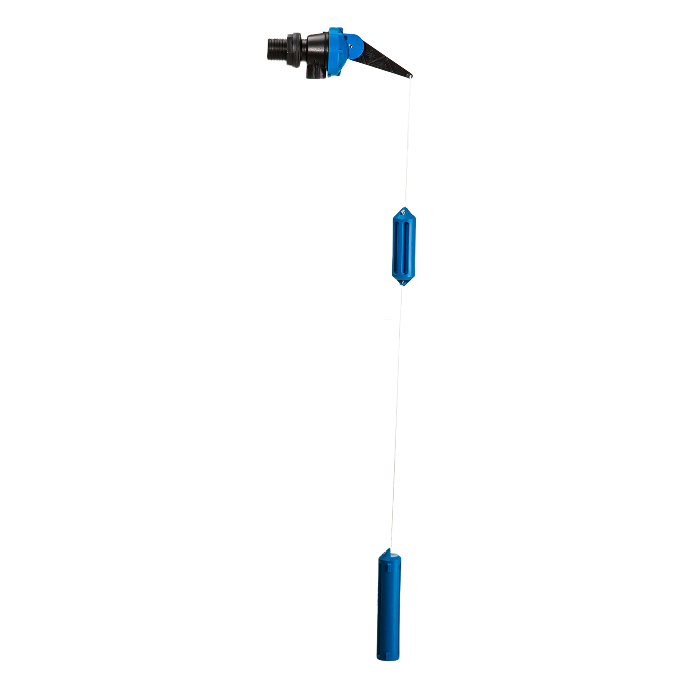
BigBoy
Rainwater Top-up Valves.

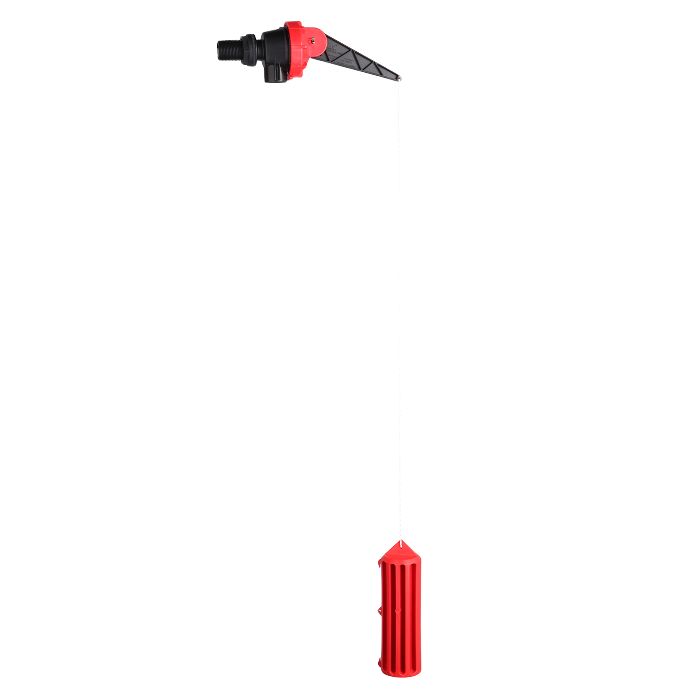
RainAid
Rainwater Top-up Valves.
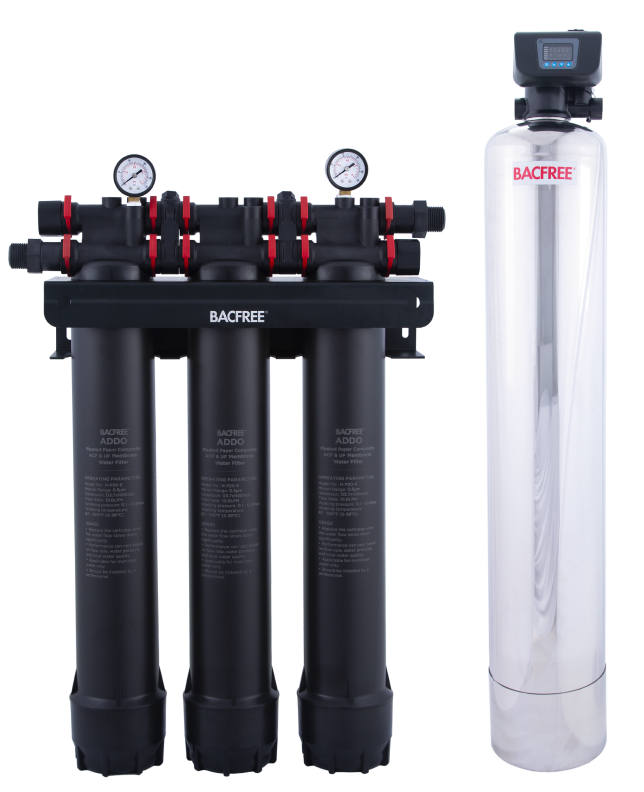
Post-filtration series
What’s after?
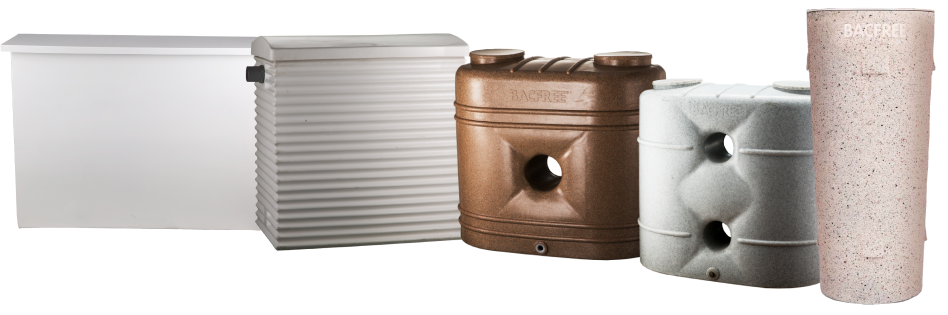
Water Tank Series
Rainwater Harvesting Impact
Our Results
35,720
6513
25 million m3
Our Rainwater Harvesting
Projects in Malaysia
-
Toyota Plant ASSB Package 2, Bukit Raja
-
Prudential Tower, TRX City
-
Penang 2nd Bridge
-
Spice Arena
-
Daikin Damag Warehouse, Rawang
-
IOI City Mall 2 Putrajaya
-
Lalaport
-
Setia City Mall
-
Courtyard by Marriot Setia Alam
-
Park Royal Langkawi
-
KPJ Kajang
-
Beacon Hospital, PJ
-
Mazda 3s Glenmarie
-
KDU College, Glenmarie Campus
-
Micron Memory Plant, Batu Kawan
-
Heineken Malaysia
-
…and more!

Cost of Rainwater Harvesting System in Malaysia & ROI
Turn every rainfall into a financial asset for your property. A rainwater harvesting system offers a practical way to lower your monthly expenses while meeting sustainability goals. Setup prices depend on your specific building requirements and how much water you intend to save.
Read More
Close
Main factors for your setup cost:
- Tank Capacity: Large storage tanks collect more water during heavy rain but require more material and space.
- Filtration Choice: High-performance units like the Vortex series offer superior self-cleaning for industrial use.
- Installation Layout: The distance between your downpipes and the storage tank dictates the labour and piping needs.
- Pump Systems: Automated controls allow for easy distribution to toilets or cooling towers.
Enjoy financial benefits and tax advantages from your first day of use:
- Reduced Utility Bills: Replace municipal water with free rain for irrigation, laundry, and cooling to see immediate savings.
- Fast Payback Period or ROI: High-consumption facilities like factories and malls recover their costs quickly through massive bill reductions.
- Green Investment Tax Allowance (GITA) Asset for Own Consumption: Malaysian companies can claim up to 100% tax allowance on qualifying capital expenditure for green technology. This revised 2024 incentive applies to new equipment listed in the MyHIJAU Directory for business use in Malaysia.
- Property Value: Green-certified systems increase the market appeal of your property and meet modern ESG standards.
FAQs About Rainwater Harvesting Malaysia
01
Is rainwater harvesting mandatory in Malaysia?
Yes, under the SPAH (Sistem Penuaian Air Hujan) guidelines, installing a rainwater harvesting system in Malaysia is mandatory for bungalows and large commercial buildings to prevent flash floods and save water.
02
How much does a commercial rainwater system cost?
The cost varies significantly based on tank capacity and filtration complexity, but businesses often recover the investment within 3-5 years through lower utility bills.
03
Can I use harvested rainwater for irrigation?
Yes, rainwater harvesting irrigation systems are ideal for landscaping and agriculture because rainwater is free of chlorine and salts, which promotes healthier plant growth compared to treated tap water.
04
Do you install systems for high-rise buildings?
Yes, BACFREE specializes in designing gravity-fed rainwater harvesting system for high rise buildings, allowing collected water to be distributed efficiently for toilet flushing and common area cleaning.
05
What is the main benefit for industrial factories?
An industrial rainwater harvesting system provides a massive backup water source for cooling towers and production cleaning, ensuring business continuity during municipal water cuts.
06
Is collected rainwater safe to drink?
Raw rainwater isn’t safe to drink immediately due to potential contaminants from the roof or air. However, if your rain water harvesting system is equipped with BACFREE’s post-filtration and UV sterilization modules, the water can be treated to meet safe drinking standards.
07
How complicated is the installation process?
A professional rainwater harvesting system installation involves connecting gutters, first-flush diverters, storage tanks, and pumps to your building’s plumbing. BACFREE manages this entire end-to-end process to ensure your system integrates seamlessly with the municipal backup supply.
08
Does the system require a lot of maintenance?
Modern setups like the BACFREE Vortex series utilize a self-cleaning rainwater harvesting filter system, which drastically reduces maintenance needs. We generally recommend a simple inspection every 3 to 6 months to ensure gutters remain free of leaves and debris.
09
How does this system help with Green Building certification?
Installing a building rainwater harvesting system significantly contributes points towards your Green Building Index (GBI) or GreenRE certification in Malaysia. It demonstrates a commitment to sustainable development and efficient resource management.
10
What components make up a complete system?
A complete rainwater harvesting tank system consists of the catchment area (roof), a filtration unit (to remove debris), a storage tank, and a pump distribution system. BACFREE customizes these components to fit your specific property layout, whether it’s a home or a factory.
