

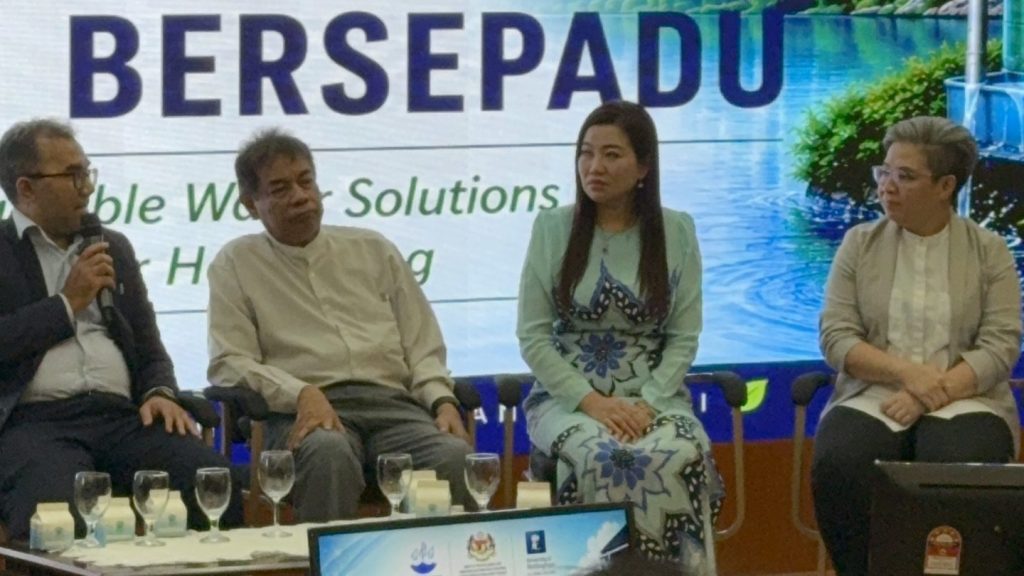
On 5 August 2026, BACFREE joined Seminar Pengurusan Air Hujan Bersepadu 2026 at the National Water Research Institute of Malaysia (NAHRIM).
Organised by NAHRIM, the University of Nottingham and PERSPAH, the seminar brought together representatives from research institutions, government agencies and industry to advance sustainable water management through rainwater harvesting.
Representing BACFREE as a guest speaker, Serena presented “How Data Centres in Malaysia Utilize Rainwater for Sustainable Operations,” sharing how harvested rainwater can support more sustainable and water-resilient data centre operations.
The Growing Water Demand of Malaysia’s Data Centres
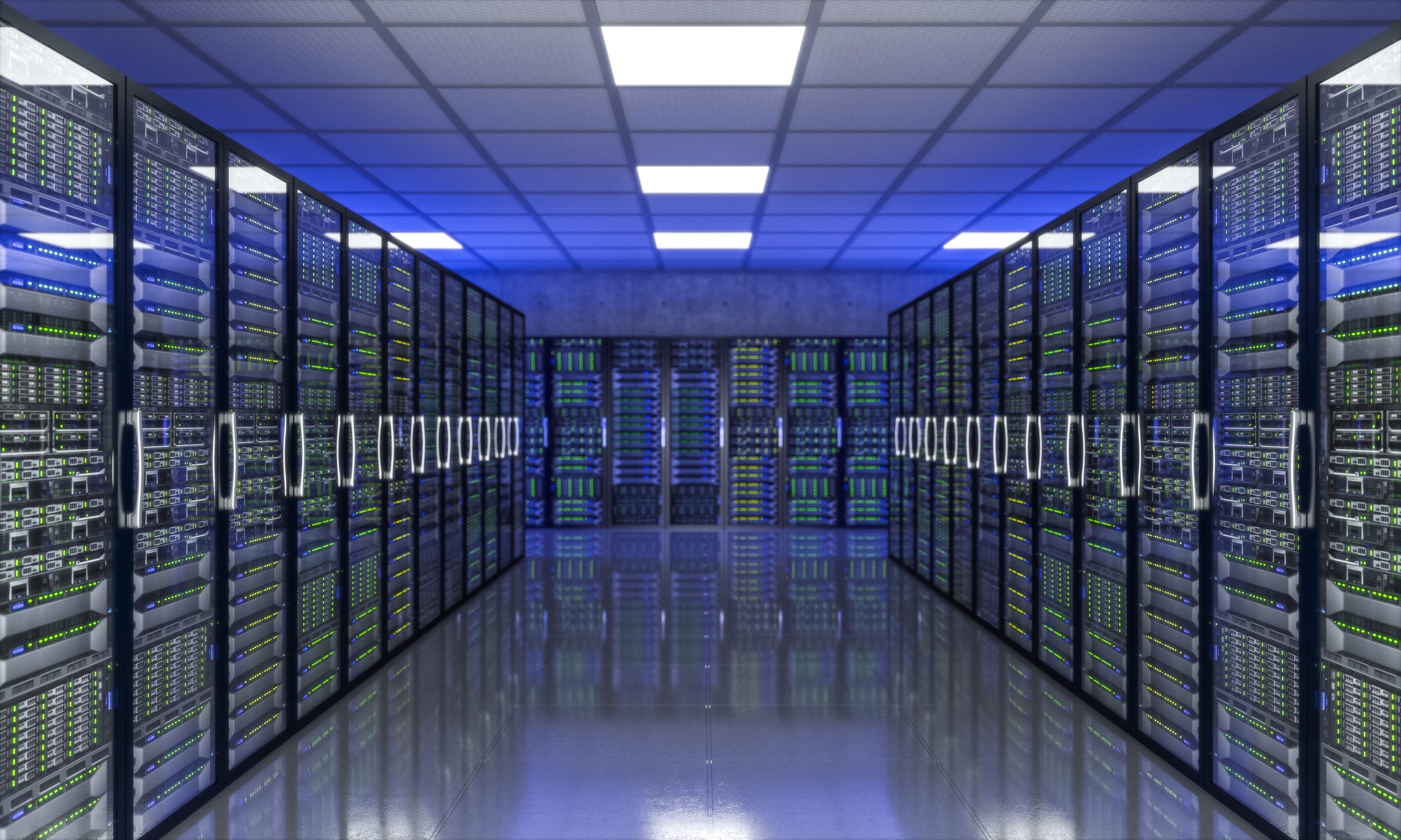
Driven by the growth of cloud computing, artificial intelligence and digital services, Malaysia continues to attract major investments in data centre development.
However, data centres generate substantial heat and require reliable cooling to keep their servers operating safely. Water-based cooling systems, particularly those involving cooling towers, can consume considerable amounts of water. As more facilities are developed, their dependence on municipal water may place additional pressure on local water resources.
Malaysia’s sustainable data centre guidelines recognise water-use efficiency as an important part of responsible development, making alternative water sources increasingly relevant to the industry.
How Can Rainwater Harvesting Reduce Data Centres’ Dependence on Municipal Water?
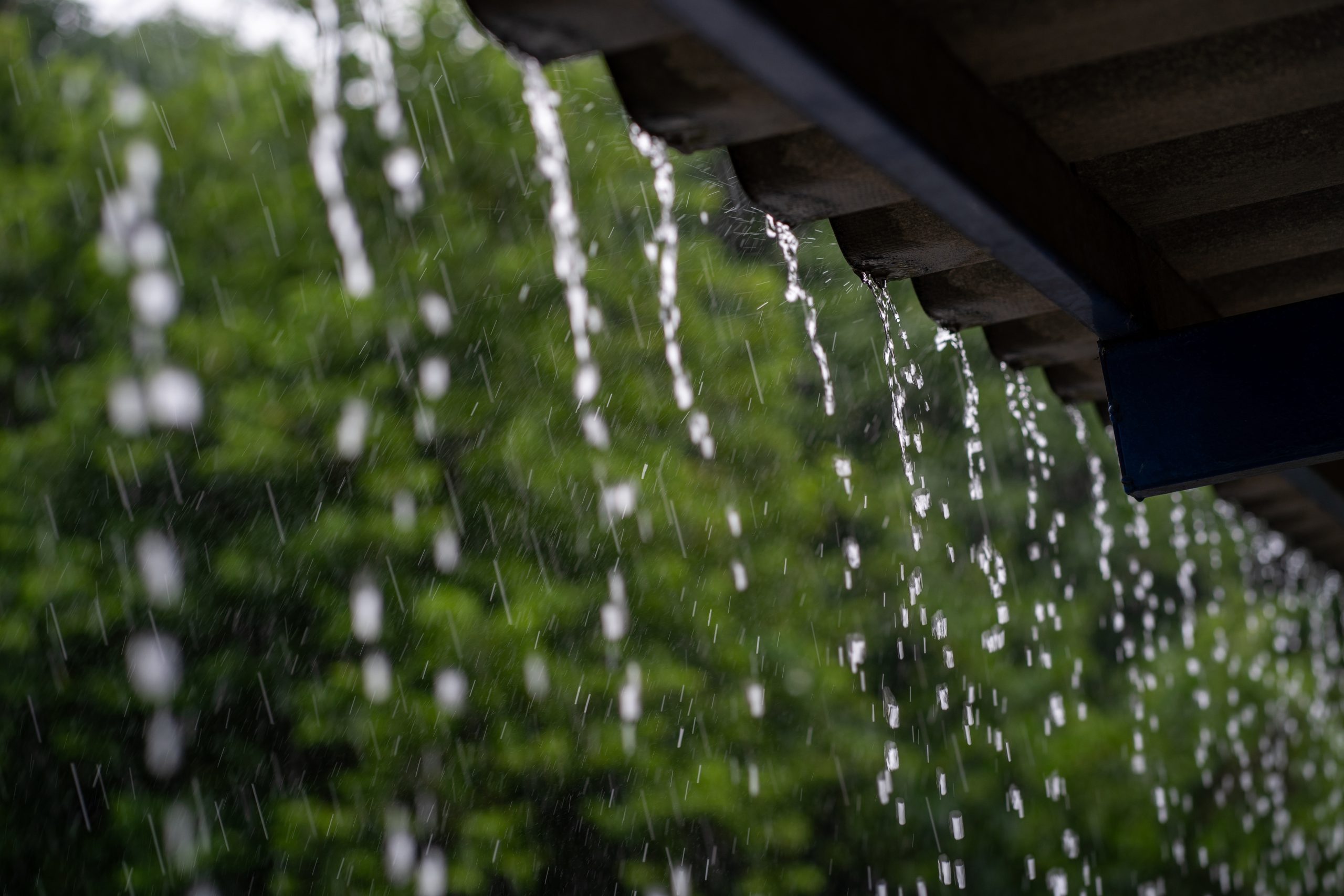
Instead of allowing rainwater to flow directly into drains, a rainwater harvesting system collects, pre-filters and stores it for suitable non-potable application
For data centres, harvested rainwater can supplement municipal water used in selected cooling operations. Before use, the water can undergo several treatment stages:
- Rainwater is collected from the building’s catchment area.
- Larger debris and contaminants are separated during pre-filtration.
- Point-of-entry (POE) filtration treats the collected water before distribution.
- Fine point-of-use (POU) treatment further refines the water according to the cooling system’s requirements.
The exact treatment process must be designed around the required water quality, cooling system and operating conditions of each facility. With an appropriate system in place, rainwater can become a practical secondary water source that reduces municipal water demand and strengthens operational water resilience.
BACFREE Vortex Series: Engineered for Large-Scale Rainwater Harvesting
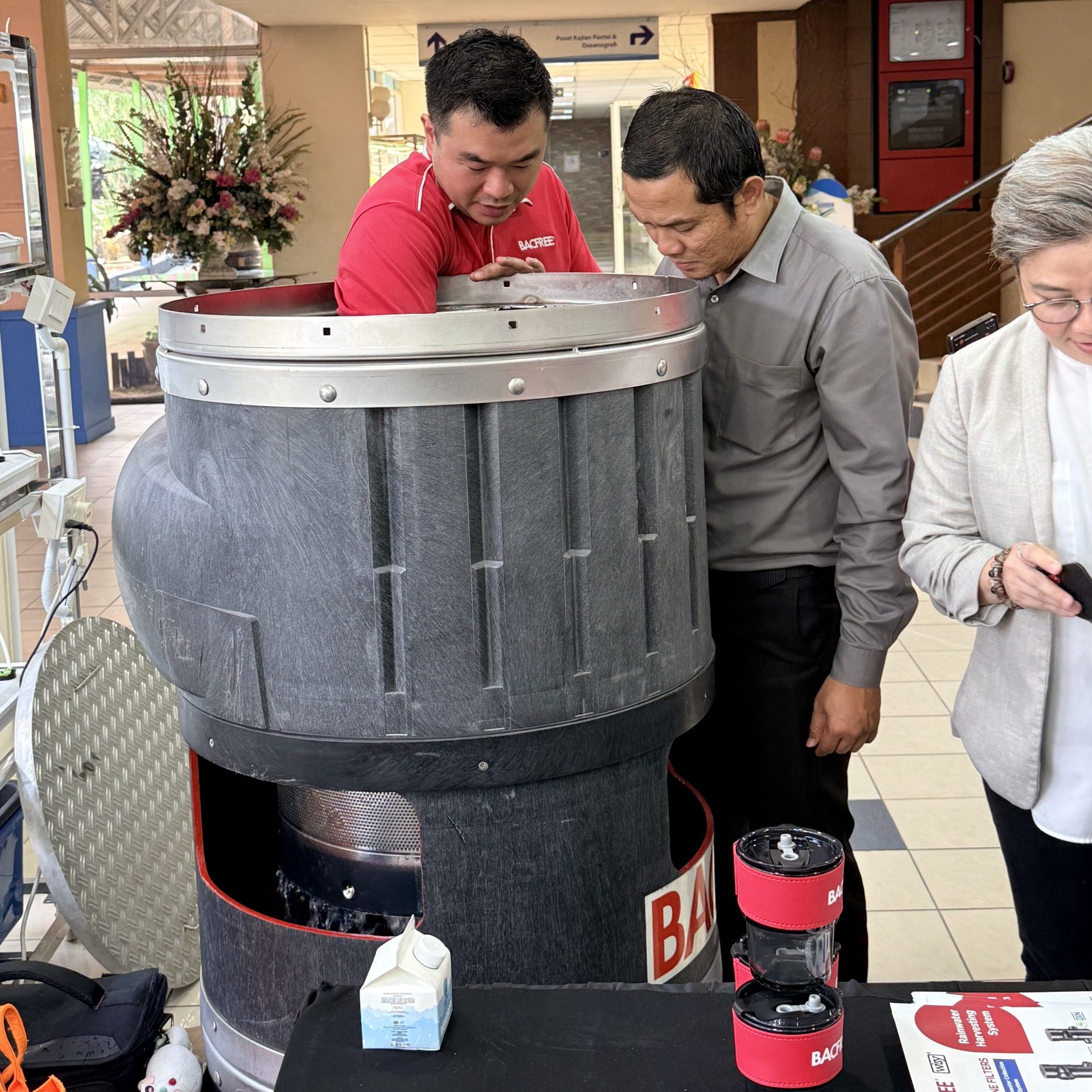
During the seminar, BACFREE also brought the Vortex Series for attendees to inspect up close and discuss its applications with our specialists.
Designed for data centres and other large-scale developments, the BACFREE Vortex Series is a fully mechanical, low-maintenance rainwater harvesting solution. Its filtration technique is designed to collect up to 95% of rainwater while separating sediment, leaves, moss and insects before the water enters the storage tank.
The filtration process also creates an oxygenation effect that helps reduce conditions favourable to anaerobic bacterial growth, supporting better stored-water quality.
By combining efficient collection with low-maintenance operation, the Vortex Series provides a practical foundation for large-scale rainwater harvesting and further water treatment.
Building a More Sustainable Water Future for Malaysia’s Data Centres
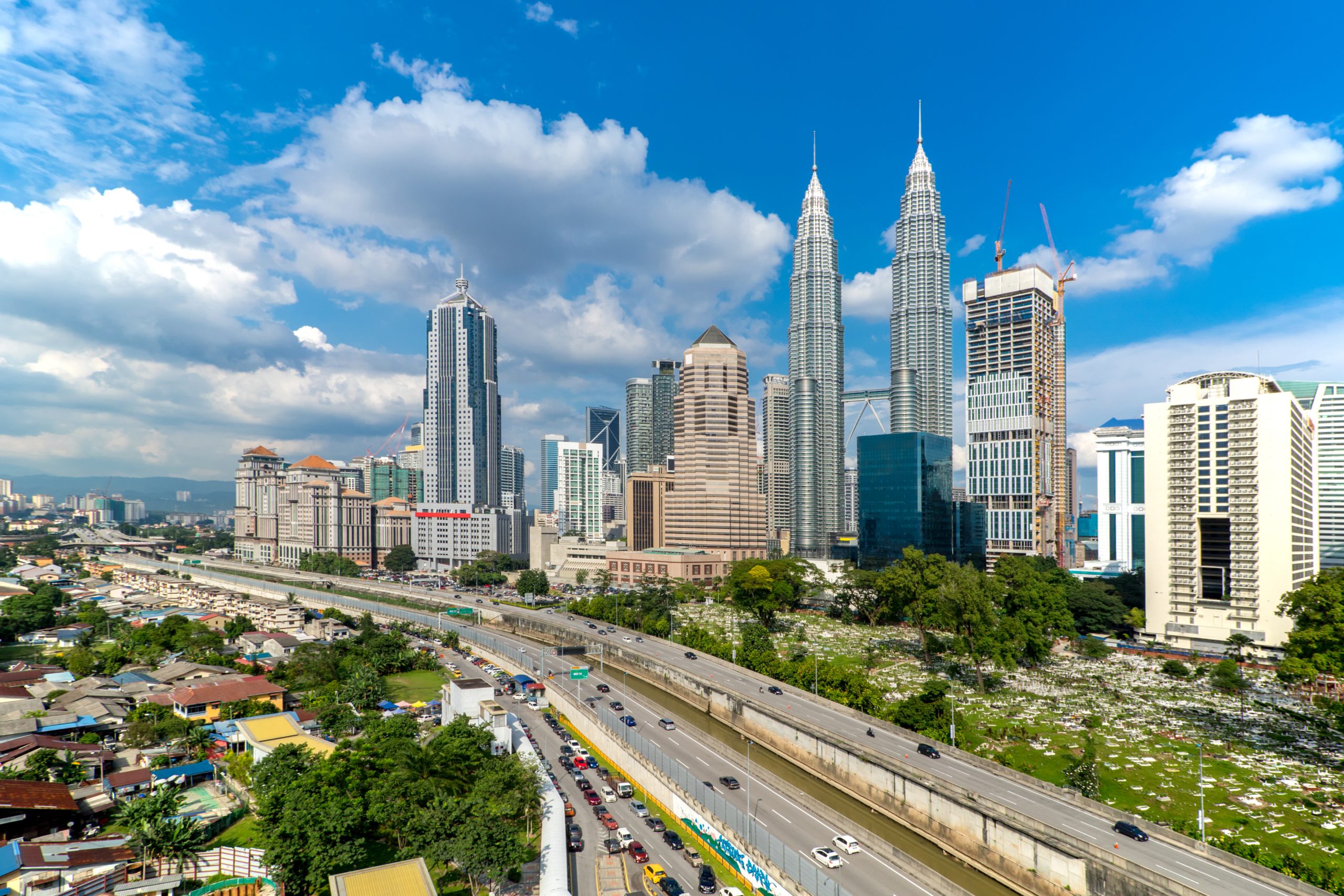
As Malaysia’s data centre industry grows, sustainable water planning should be considered during the early design and development stages.
Rainwater harvesting can help data centres diversify their water sources, reduce reliance on municipal supply and make better use of Malaysia’s rainfall. When paired with an appropriate filtration and treatment system, every rainfall becomes an opportunity to support more responsible operations.
Planning a more water-resilient data centre? Speak with BACFREE about a rainwater harvesting and treatment solution designed around your project’s requirements.